// Tool 17
Gemba Walk Checklist
The dashboard tells you there's a problem. The floor tells you why.
Order & safetyWhat it is and when to use it
A weekly report can show a number moving the wrong way without ever explaining what's actually happening at the point where the work gets done. A gemba walk is a structured visit to that exact spot — observing the process running, talking to the person doing it, and checking it against the documented standard — instead of trying to diagnose the cause from a screen. The habit tends to erode first at the top of an organization, not on the floor: the higher the level, the easier it is to trade the walk for the dashboard, which is exactly where early warning signs get missed.
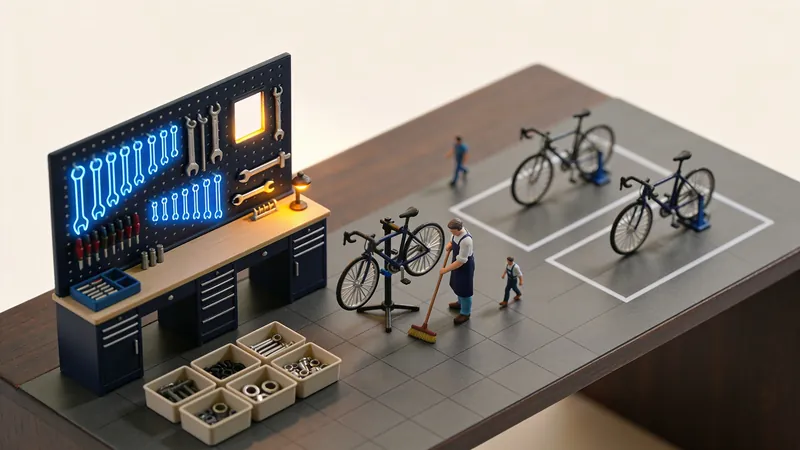
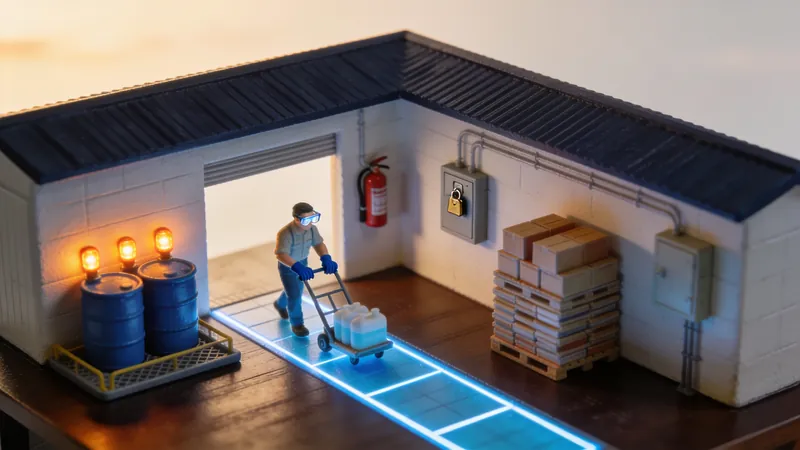
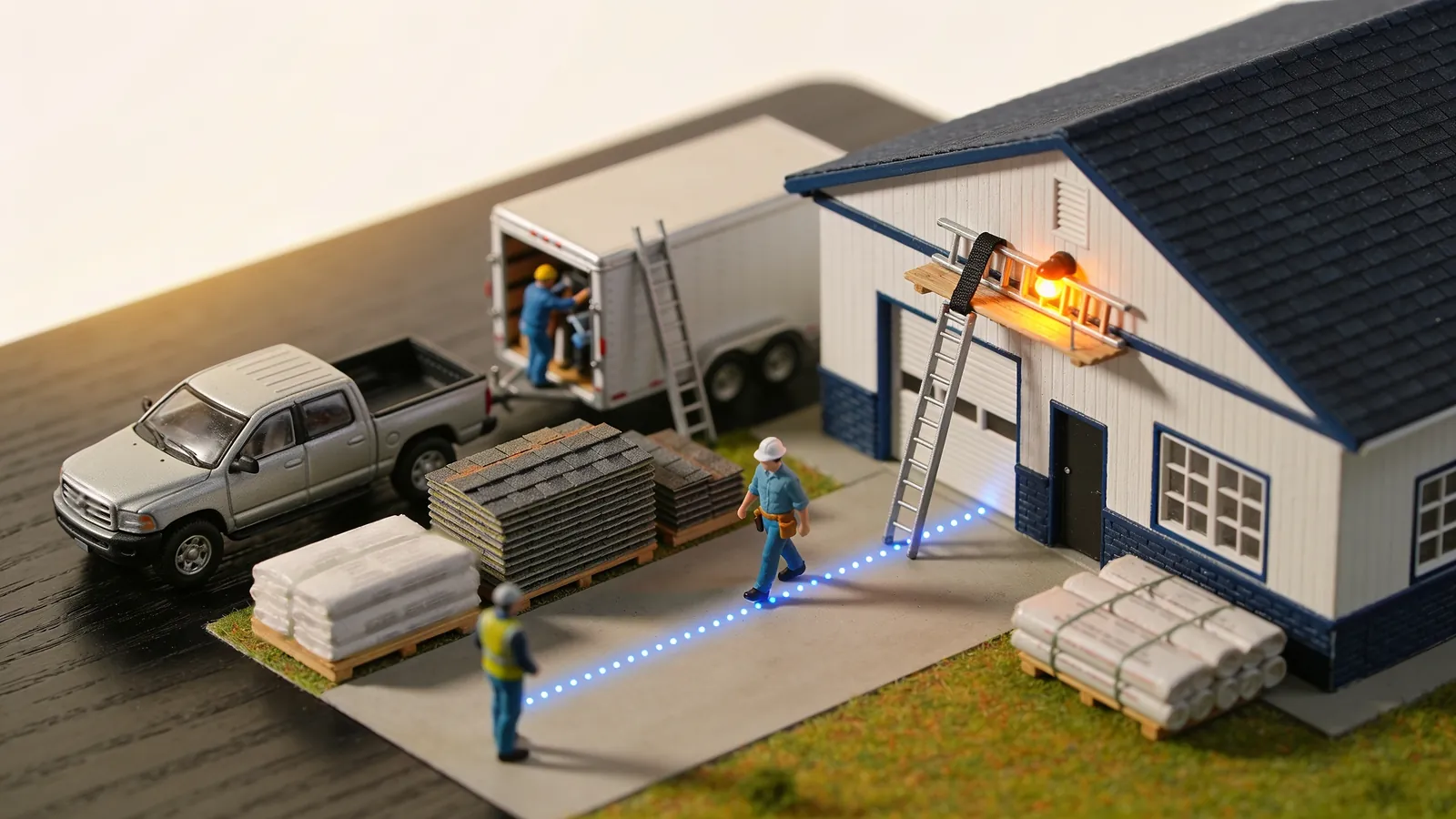
Worked example

Click or tap the plate to enlarge it.
What goes on the sheet
- Area/process to visit, and the standard it's meant to follow (what “normal” looks like)
- Observation questions: is the process running as documented, and if not, where does it diverge
- Questions for the person doing the work: what's slowing them down, what workaround are they using and why
- Safety check: any hazard or near-miss condition observed, logged regardless of severity
- Anomalies noted on the spot, with enough detail to follow up (not “check later from memory”)
- Immediate actions taken during the walk vs. items escalated for follow-up
- Next walk scheduled: date and whether prior action items were verified closed
In a business like yours
- Roofing contractor: the owner walks the yard and a job site every week, asking, not inspecting.
- Retail store: the manager watches checkout at the busiest hour instead of reading reports.
- Clinic: a walk from check-in to checkout, following one patient's path.
Illustrative examples, not client cases.
// Talk to David
This is one of the 19 tools in our loss diagnostic.
In the diagnostic we pick the ones that fit your leak and put a dollar figure on what it costs you. 30 minutes to see if it makes sense.
// Order & safety